Remote road projects in Sri Lanka often face a different set of challenges from urban construction. Long transport distances, hilly terrain, narrow access roads, changing weather, and limited local infrastructure can all affect asphalt paving efficiency. For contractors, the question is not simply how much asphalt a plant can produce. The real question is whether the plant can reach the project, operate reliably, and supply asphalt at the required rate.
A 100 TPH mobile asphalt plant for sale can be a practical choice for many remote Sri Lankan projects. Its value comes from more than its production capacity. The mobile configuration can reduce relocation difficulties, shorten the distance between production and paving, and support projects where a permanent asphalt plant would not make economic sense. However, 100 TPH is not automatically the right capacity for every project. Contractors should first compare daily asphalt demand, project duration, aggregate supply, road access, fuel availability, and expected utilization.

Why Remote Sri Lankan Projects Need A Different Asphalt Plant Strategy
Before choosing a 100 TPH plant, contractors should understand why remote projects create additional pressure on asphalt production. A plant that works well near Colombo may not deliver the same project value in a mountainous or isolated construction area.
Long Hauling Distances Can Increase Asphalt Logistics Costs
Asphalt must reach the paving site within a suitable working window. A long haul increases fuel use, truck requirements, travel time, and the risk of temperature loss. Moreover, remote roads may slow down loaded trucks.
For this reason, placing asphalt production closer to the construction site can improve the overall paving operation. A mobile plant gives contractors more flexibility when the project location changes or when the road section moves over time.
Terrain And Access Conditions Matter
Sri Lanka has many projects in hilly and mountainous areas. Road widening, rehabilitation, bridge approaches, rural highways, and regional transport routes may have limited access for heavy equipment.
Therefore, contractors should check the actual access route before purchasing a plant. The equipment must reach the site safely. The installation area must also provide enough space for aggregate storage, fuel supply, asphalt loading, and truck circulation.
Weather Can Affect Remote Asphalt Production
Sri Lanka's tropical climate brings significant rainfall, and some construction areas face strong seasonal weather changes. Rain can affect aggregate moisture and site operations.
Consequently, contractors should consider drainage, aggregate storage, fuel protection, electrical systems, and routine maintenance when planning a remote asphalt plant site. Good site preparation can be just as important as plant capacity.
These conditions explain why mobility alone does not determine whether a plant is practical. The next step is to evaluate whether 100 TPH matches the actual production demand.

Is 100 TPH Enough For A Typical Remote Road Project?
A 100 TPH asphalt plant can theoretically produce up to 100 tons of asphalt mix per operating hour under suitable conditions. However, contractors should not calculate project output by multiplying 100 TPH by every available working hour.
Actual production depends on heating efficiency, aggregate moisture, mix design, loading cycles, truck availability, maintenance, operator performance, and site conditions. Therefore, practical production should include a reasonable operating margin.
For example, if a project requires around 500 to 700 tons of asphalt mix per day, a 100 TPH portable asphalt mixing plant can provide a useful production range without forcing the equipment to operate continuously at its maximum rated capacity.
| Project Situation | Typical Asphalt Demand | 100 TPH Plant Suitability |
|---|---|---|
| Small rural road rehabilitation | Below 300 tons/day | Suitable if frequent relocation or future projects justify the investment |
| Provincial road upgrading | 300–700 tons/day | Generally suitable for regular paving operations |
| Large highway section | 700+ tons/day | Suitable when operating hours, truck supply, and paving capacity support higher utilization |
| Multiple remote projects | Variable demand | Highly practical because the plant can serve different project locations |
This comparison provides a useful starting point. However, daily tonnage alone should not determine the purchase decision. Project duration and plant utilization can have an even greater impact on investment value.
Why Mobility Can Be Valuable For Remote Sri Lankan Contractors
The main advantage of a mobile asphalt plant is operational flexibility. A contractor may not need to build a permanent production base for every road project.
Move The Plant When The Project Moves
Remote road construction often progresses along a long alignment. The most efficient asphalt production location at the beginning may not remain efficient several months later.
A mobile configuration allows contractors to consider relocation as part of project planning. This can reduce the need for long-term asphalt transportation as paving moves farther from the original production point.
Reduce Dependence On Distant Asphalt Suppliers
Buying asphalt from a third-party supplier can work for small projects. However, large or long-duration projects may require greater control over supply.
With their own 100 TPH mobile asphalt plant, contractors can manage production according to the paving schedule. They can also coordinate aggregate, bitumen, fuel, mixing, and truck dispatch more closely.
Support Multiple Projects Over The Equipment Life
A mobile asphalt plant does not have to serve only one project. Contractors with several road projects can move the equipment between suitable locations.
This point is particularly important when evaluating profitability. A plant that operates on several projects can achieve better annual utilization than a plant purchased for one short construction contract.
As a result, mobility should be evaluated as a long-term business advantage rather than simply as a transportation feature.

What Should Contractors Check Before Choosing A 100 TPH Mobile Asphalt Plant?
Capacity is only one part of the equipment decision. Remote projects require a broader technical and commercial evaluation.
1. Check The Actual Asphalt Demand
Start with the paving schedule. Estimate the required asphalt tonnage per day and per week. Then compare this figure with the practical output of the plant.
If the project only needs 150 tons per day, a 100 TPH plant may still make sense if the contractor expects several future projects. Otherwise, a smaller plant may provide better utilization.
2. Evaluate Aggregate Supply
A 100 TPH asphalt plant needs a stable supply of properly sized aggregates. Remote projects may have fewer reliable aggregate suppliers.
Contractors should therefore confirm quarry distance, aggregate quality, gradation, moisture levels, and stockpile capacity before finalizing the plant location.
3. Consider Fuel And Power Availability
Remote locations may not provide the same utility infrastructure as major cities. The contractor should check available electrical power, fuel delivery, storage space, and backup arrangements.
For isolated projects, reliable fuel logistics can directly affect production continuity. A plant with suitable burner and control systems can also help contractors manage operating costs more effectively.
4. Confirm Transportation And Site Access
Mobile does not mean that every plant can travel anywhere without planning. Heavy equipment still requires suitable roads, turning areas, bridge load capacity, and unloading space.
Before shipment, contractors should inspect the complete route from the port or storage location to the project site. This step can identify potential restrictions before they become expensive problems.
5. Plan For Maintenance And Spare Parts
Remote equipment needs a clear maintenance strategy. Small failures can cause major delays when spare parts or technicians are far away.
Contractors should ask about spare parts availability, technical support, installation assistance, operator training, and troubleshooting procedures. These services can have a direct impact on project uptime.
Once these factors are clear, contractors can make a more realistic comparison between a mobile plant and a stationary plant.

100 TPH Mobile Asphalt Plant Vs. Stationary Plant For Remote Projects
Both plant types can produce quality asphalt mix. The better choice depends on project conditions and the contractor's long-term plans.
When A Mobile Asphalt Plant Has The Advantage
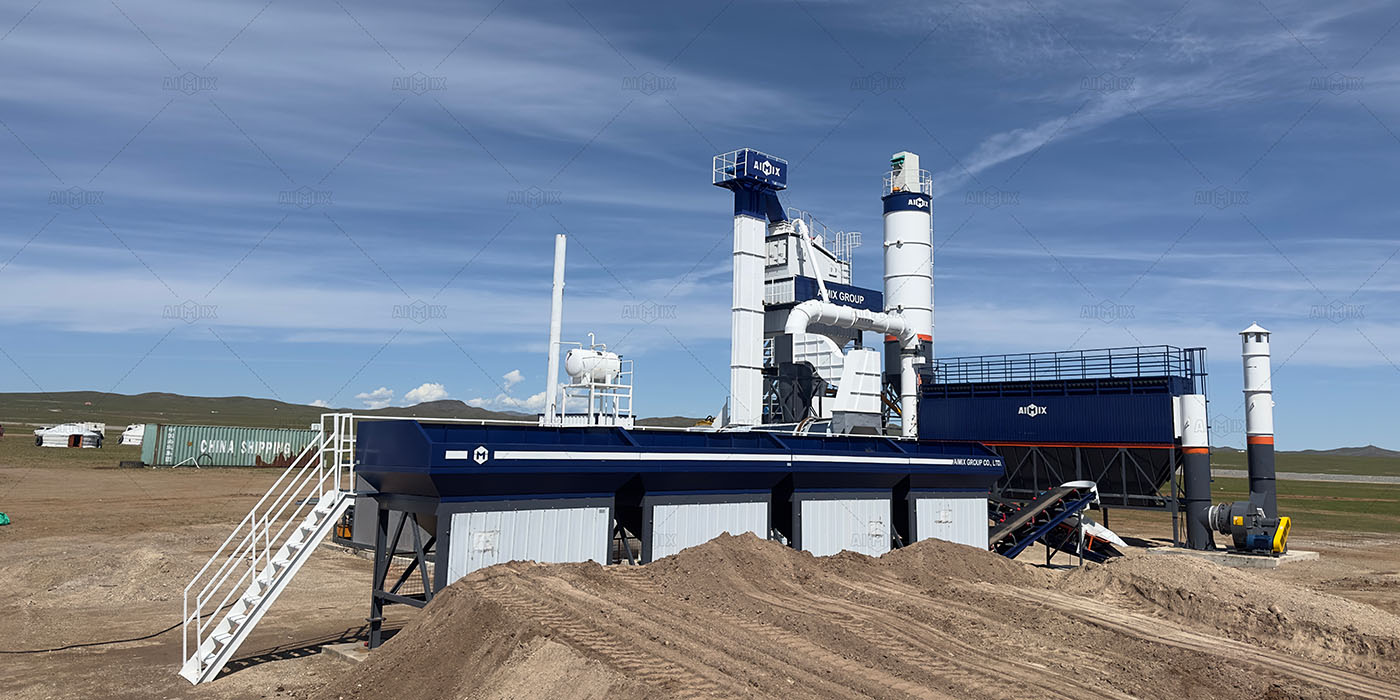
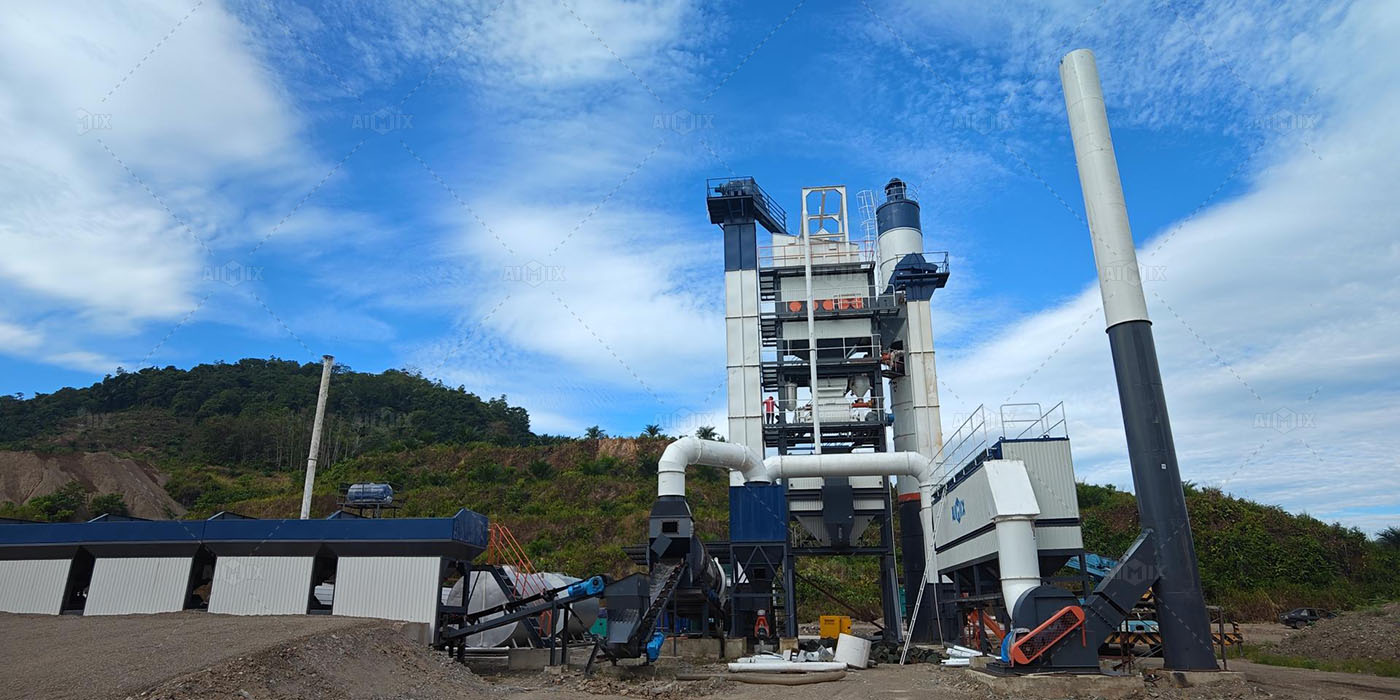
A mobile asphalt plant in Sri Lanka is often more attractive when the project is remote, temporary, spread across a long road alignment, or likely to move between locations.
It can also make sense when contractors want to reduce dependence on commercial asphalt suppliers. Furthermore, contractors with a strong project pipeline can use one plant across several construction sites.
When A Stationary Asphalt Plant May Be Better
A stationary plant can be more suitable when the contractor has a long-term production base and expects stable demand in one location.
For example, a large contractor serving multiple projects around a major city may prioritize high annual utilization and permanent infrastructure. In this case, mobility may provide less additional value.
Therefore, the decision should focus on total project economics rather than simply comparing the purchase prices of two plant types.
How Can A 100 TPH Mobile Asphalt Plant Improve Project Economics?
Profitability depends on utilization, production cost, logistics, and project revenue. A 100 TPH plant does not automatically guarantee a profitable project.
However, contractors can examine several measurable benefits.
Lower Asphalt Hauling Distance
Placing production closer to the paving area can reduce asphalt transportation distance. Fewer kilometers can mean lower truck fuel consumption and shorter delivery cycles.
Better Truck Utilization
When trucks spend less time traveling between the plant and paving site, the same fleet may complete more delivery cycles. This can reduce pressure on the logistics team.
More Control Over Production
Own production gives contractors greater control over mix supply. They can adjust production according to paving requirements instead of relying entirely on an external supplier's schedule.
Higher Equipment Utilization Across Projects
The strongest business case often comes from repeated use. If a contractor can move the plant between several Sri Lankan road projects, the equipment can generate value beyond one contract.
For this reason, contractors should calculate expected utilization over several years instead of looking only at the first project's profit.
What Remote Sri Lankan Projects Can Benefit From A 100 TPH Plant?
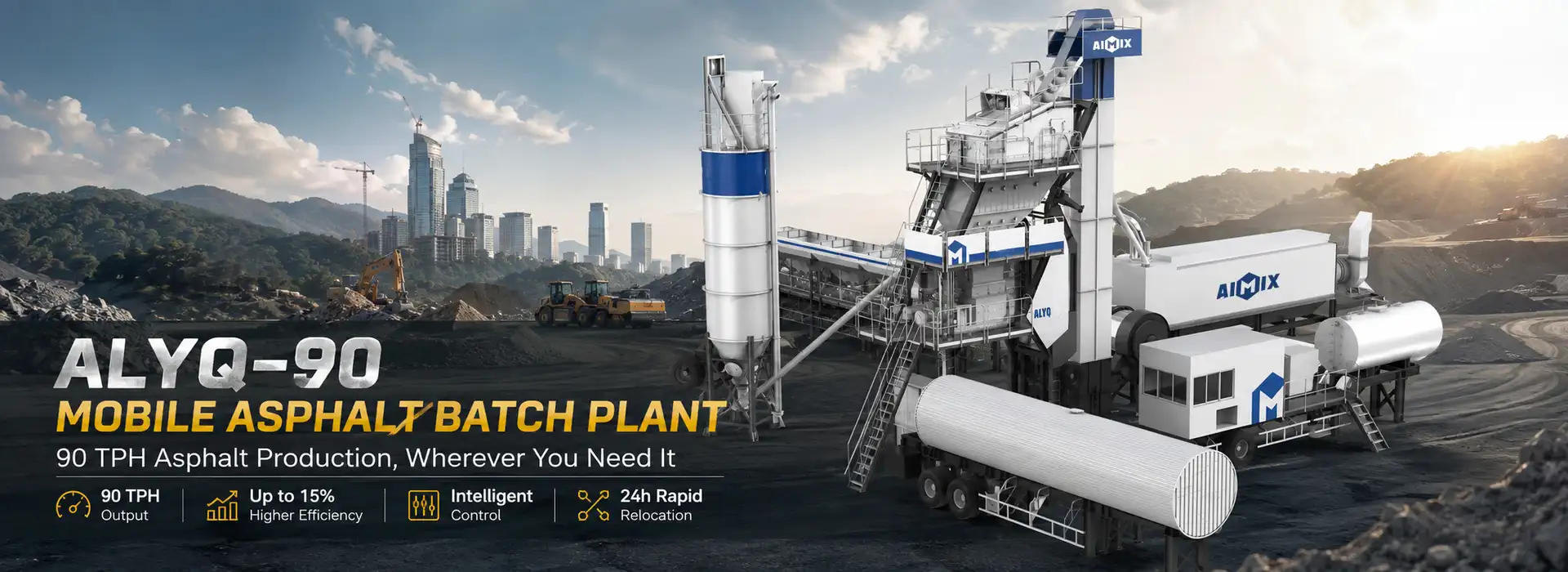
A 100 TPH mobile asphalt plant can serve a wide range of road construction applications when the logistics and demand match the equipment.
Provincial And Rural Road Upgrading
Road rehabilitation projects outside major urban areas often require continuous asphalt supply. A mobile plant can reduce the distance between production and paving operations.
Mountain And Hilly Road Projects
Hilly projects can create additional transportation challenges. Local asphalt production can help contractors reduce long truck journeys on difficult routes.
Bridge Approach And Road Connection Projects
Bridge projects often require asphalt for approach roads and connecting sections. A nearby mobile plant can support coordinated paving schedules.
Long Road Rehabilitation Programs
Long-term rehabilitation programs can involve multiple work sections. Contractors can relocate the plant when the main paving area changes.
Island And Remote Infrastructure Projects
For isolated construction areas, asphalt logistics can become a major cost factor. A mobile plant may offer better control when external supply options are limited.
These applications show why the same 100 TPH capacity can create different value for different contractors. The project model matters as much as the equipment model.
How Should Contractors Estimate The Right Plant Capacity?
A simple capacity calculation can help avoid overinvestment.
First, estimate the total asphalt tonnage required by the project. Next, divide the tonnage by the planned production days. Then consider the expected daily operating hours and a practical utilization factor.
For example, suppose a project needs 12,000 tons of asphalt mix over 30 production days. The average requirement is about 400 tons per day.
A 100 TPH plant could theoretically produce 400 tons in four hours at full rated output. In reality, the contractor should allow time for startup, material loading, mix changes, maintenance, truck coordination, and other interruptions.
This approach gives the contractor a more realistic capacity target. It also prevents the common mistake of selecting equipment only by its maximum hourly rating.
What About Initial Investment And Long-Term Value?
The purchase price is important, but it should not be the only financial indicator. Contractors should calculate the total cost of ownership.
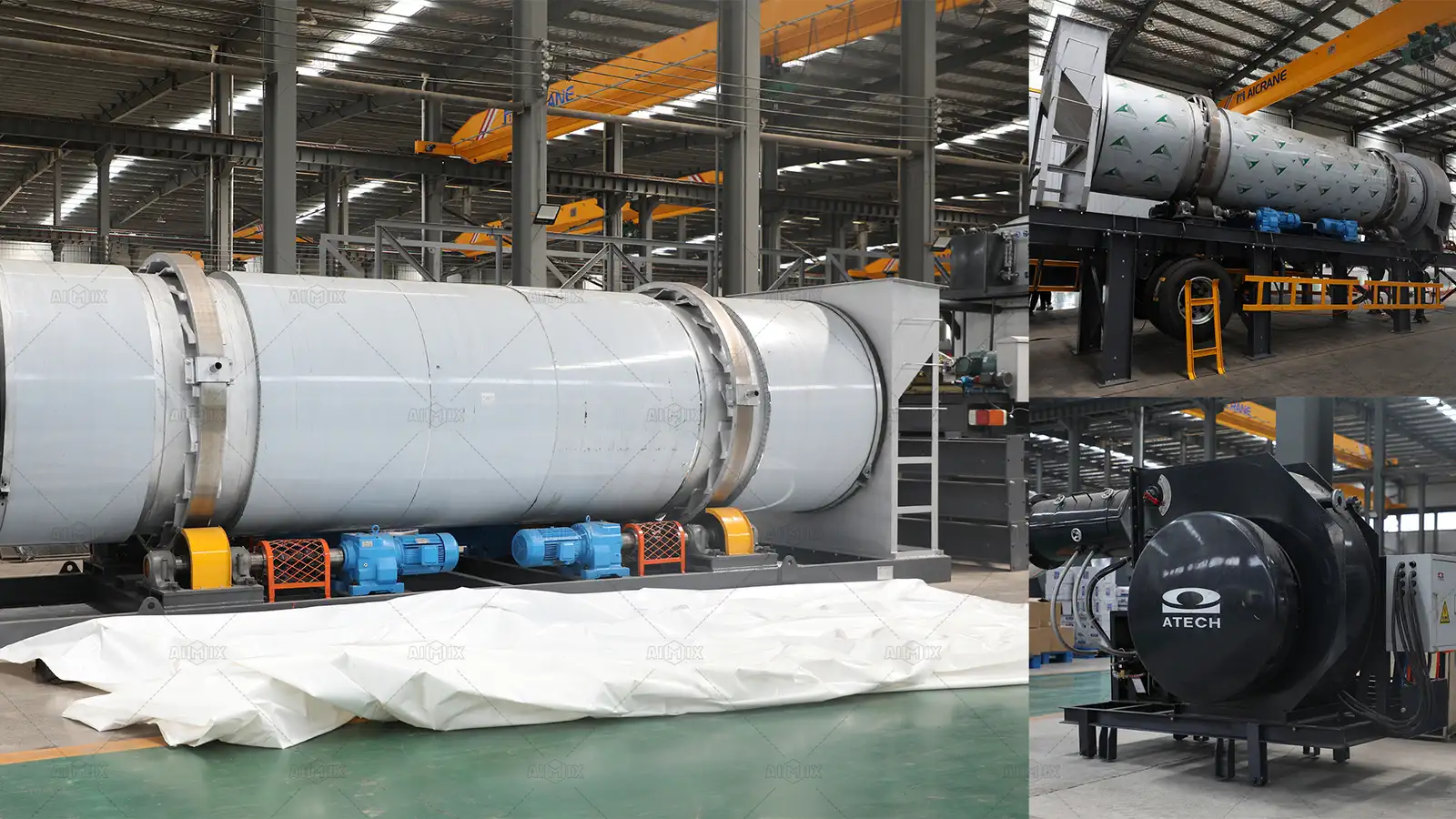
This calculation can include the plant purchase price, transportation, installation, site preparation, fuel consumption, labor, spare parts, maintenance, aggregate handling, asphalt transportation, and relocation costs.
At the same time, revenue should reflect the actual asphalt production used on projects. A plant that operates only a few hundred hours per year may have a different return profile from a plant used across several road contracts.
Therefore, a useful investment question is not simply, “How much does a 100 TPH mobile asphalt plant cost?” A better question is, “How many tons can this plant realistically produce and sell or consume each year?”
How Can Contractors Reduce Risks Before Purchase?
Remote projects leave less room for equipment mistakes. A careful pre-purchase assessment can reduce avoidable costs.
Prepare A Project-Based Equipment Plan
Share the project location, road length, asphalt demand, working hours, aggregate source, and expected project duration with the equipment supplier. These details help determine whether 100 TPH is appropriate.
Request A Complete Technical Configuration
Do not compare suppliers only by the headline capacity. Check the cold aggregate system, drying system, burner, mixing system, dust collection, control system, fuel consumption, electrical requirements, and transportation configuration.
Confirm Installation And Training Support
Remote projects require practical support. Installation, commissioning, operator training, maintenance guidance, and spare parts planning can reduce startup risks.
Review The Relocation Plan
If mobility is one of the main reasons for purchase, discuss how the equipment will move between project locations. Transportation dimensions, lifting requirements, site preparation, and relocation time all affect the real value of mobility.
These checks can turn a simple equipment purchase into a more reliable project solution.

Is A 100 TPH Mobile Asphalt Plant Practical For Sri Lanka?
For many remote Sri Lankan road projects, the answer is yes, provided that the production demand and logistics support the investment.
A 100 TPH mobile asphalt plant is particularly practical when the contractor needs several hundred tons of asphalt per day, faces long hauling distances, works in remote or hilly areas, or expects to move between multiple projects.
However, contractors should not select 100 TPH simply because it is a common capacity. A smaller plant may work better for low-volume projects. A larger plant may be more appropriate for major highway construction with high daily asphalt demand.
The right decision comes from matching plant capacity with actual paving output, truck capacity, aggregate supply, project duration, and annual utilization.
Make The 100 TPH Decision Based On Your Project
Remote Sri Lankan construction requires more than high production capacity. Contractors need an asphalt solution that fits the entire project workflow, from aggregate delivery and asphalt production to transportation and paving.
A 100 TPH mobile asphalt plant can provide a strong balance between production capacity and mobility for many provincial roads, highway rehabilitation projects, bridge approaches, and remote infrastructure works. Its biggest advantage appears when contractors can reduce asphalt hauling distances and reuse the equipment across multiple projects.
If you are evaluating a 100 TPH mobile asphalt plant for a Sri Lankan project, start with your actual daily asphalt demand and project location. Then assess road access, aggregate sources, fuel logistics, operating hours, and future equipment utilization. Based on these factors, a suitable plant configuration can be developed around your project rather than forcing the project to fit a standard machine.
Share your project location, required asphalt output, expected working hours, and project duration with the AIMIX technical team. A project-based assessment can help you determine whether a 100 TPH mobile asphalt plant is the right production capacity and how to configure the equipment for reliable operation in remote Sri Lankan conditions.






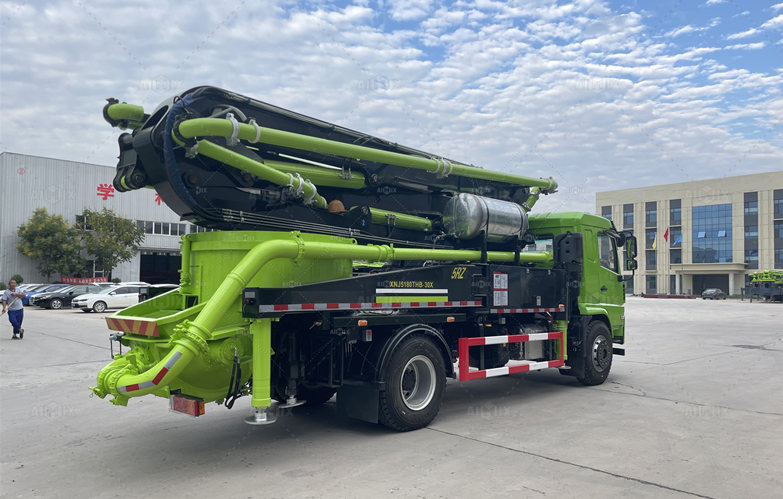

 The answer isn’t a simple “yes” or “no.” While insurance doesn’t directly reduce freight charges, it can offer cost protection, lower risk premiums, and potentially reduce your liability-related expenses—especially when dealing with high-value equipment like a concrete pump truck. Let’s dive into how insurance interacts with the shipment process and how it may indirectly save you money.